Seville crafts: hand-painted fans, Manila shawls, gold embroidery and guitars
Seville's traditional crafts: hand-painted fans, Manila shawls, gold embroidery, silversmithing, guitars and flamenco dresses. What to buy and where.
Behind every Holy Week float and every flamenco dress are craft workshops working as they have for centuries. Visiting their shops is a way to discover a less touristy Seville and take home a souvenir with a story.
Fans
The fan is essential in a Seville summer. Craftspeople hand-paint the leaf (fabric or paper) and mount ribs of wood, bone or mother-of-pearl. The centre has century-old specialist shops, especially around Calle Cuna and Calle Sierpes.
Manila shawls
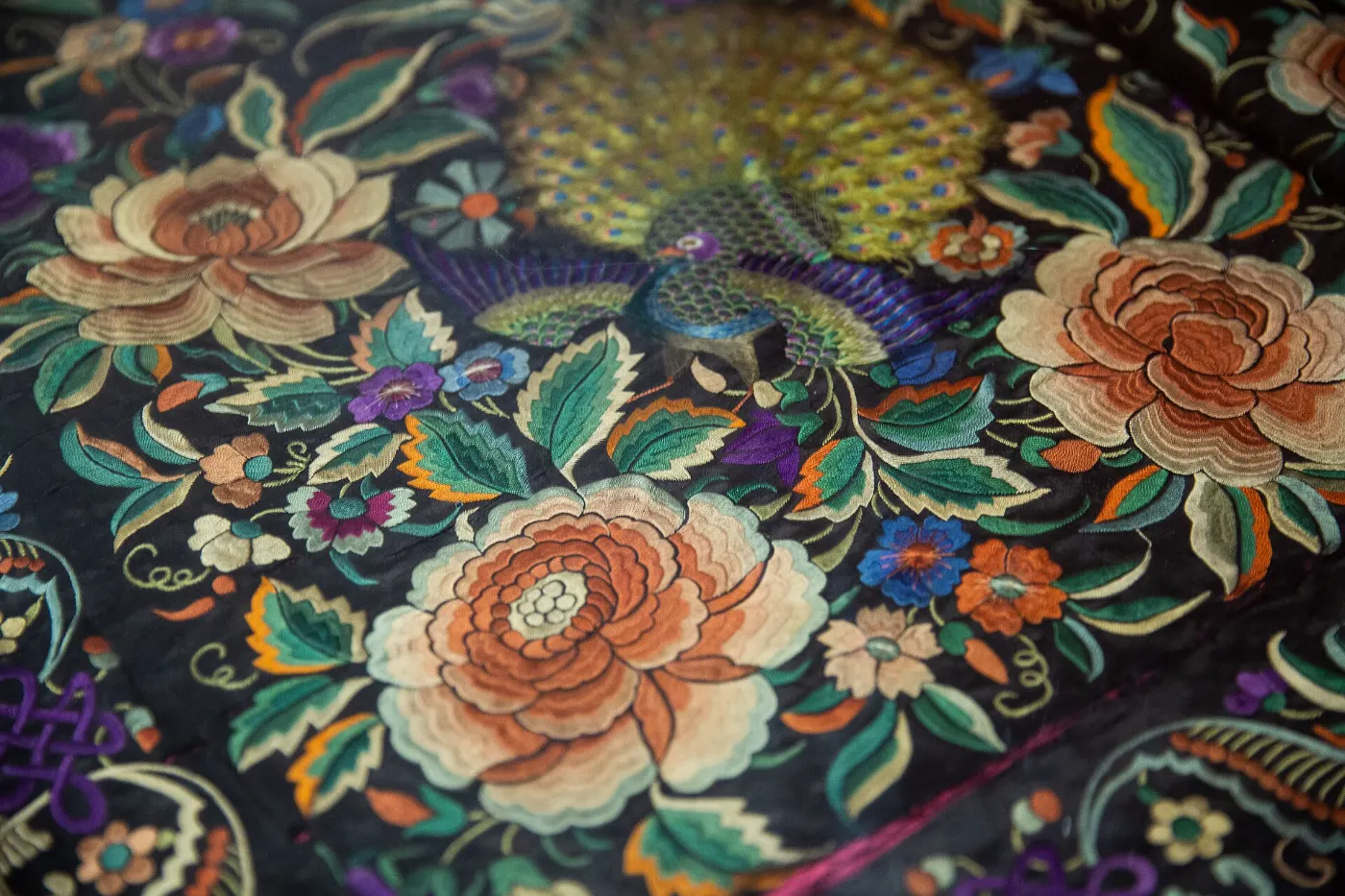
They arrived from China via the Philippines on the Manila Galleon, and Seville made them its own. They are silk shawls hand-embroidered with flowers and birds, with long fringes, worn with flamenco dresses and hung from balconies during festivals.
Gold embroidery and silverwork
The mantles of the Holy Week Virgins are embroidered in gold thread in Seville workshops over years. Silversmiths craft the floats, crowns and candelabra. Some brotherhoods display their treasures in their halls or museums.
Guitars and flamenco dresses
- Guitar workshops in Triana and the centre, where flamenco guitars are built by hand.
- Flamenco dress makers, who present new collections every year before the April Fair.
- Hat makers and saddlers with Cordoban hats and leather goods for horses.
Where to buy
From Calle Vidrio, in under 15 minutes you reach Sierpes, Cuna, Francos and Placentines, lined with traditional shops. In Triana, the ceramic workshops. Always look for "hecho a mano" (handmade) and ask about the workshop.
Frequently asked questions
What is a typical souvenir from Seville?
A hand-painted fan, a Manila shawl, a Triana tile, olive oil or convent sweets.
Where can I buy fans in Seville?
In the traditional shops on Calle Sierpes and Calle Cuna, in the centre.
What is a Manila shawl?
A silk shawl hand-embroidered with flowers and birds, brought from China via the Philippines, worn with the flamenco dress.